Find Out Why Dhl Left Wilmington Ohio Uncovering The Reasons Behind The Departure
Find Out Why Dhl Left Wilmington Ohio - Uncovering The Reasons Behind The Departure: All Facts You Need To Know
- Introduction: People of Wilmington, Ohio were shocked to find out that DHL, the leading international express delivery service and logistics provider, had decided to pull out of the city. The sudden departure of the major employer left many wondering how this could have happened and why it was necessary. In this article, we are going to uncover the reasons behind the departure of DHL from Wilmington. We will look at the history of DHL in the city and analyze the various factors that may have contributed to DHL’s departure. We will also discuss the impact of DHL leaving the city, and what it will mean for the people of Wilmington going forward. Lastly, we will explore some possible solutions that could encourage DHL to return to Wilmington in the future.
Find Out Why Dhl Left Wilmington Ohio - Uncovering The Reasons Behind The Departure: All You Need To Know
2. Background
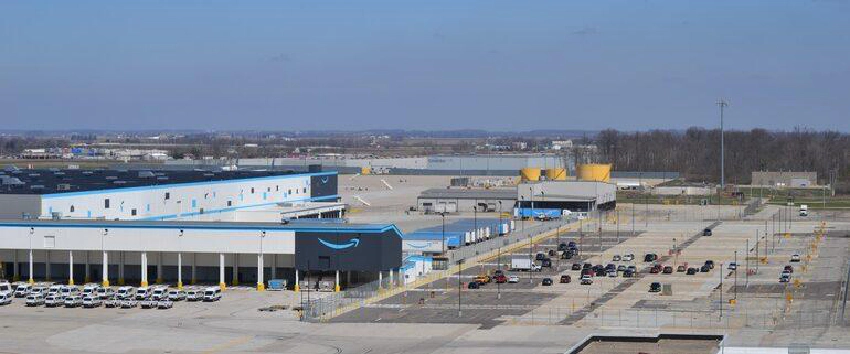
DHL was once a major employer in Wilmington Ohio. At its peak, over 8,000 jobs were provided by the company. The company operated out of the Wilmington Air Park and had other facilities spread throughout the city. In 2008, the company announced its plans to leave the city. It was a major blow to the local economy, leaving many people without jobs.
In the years leading up to the departure, DHL had been struggling to remain profitable. The company had faced increasing competition from major rivals such as United Parcel Service and FedEx. With DHL’s business model no longer able to compete, the company decided to pull out of Wilmington. Many other factors may have played a role in the decision to leave Wilmington. For example, the cost of doing business in the city was high and the labor force was aging and not as skilled as its competitors. Additionally, the global economic downturn of 2008 may have been a factor in the decision. Despite the reasons behind the departure of DHL from Wilmington, it had a major impact on the local economy. Thousands of people were left without jobs and the city has yet to recover from the departure.
3. Reasons for DHL’s Departure
DHL left Wilmington, Ohio in 2008, and the reasons behind the departure are still unknown. The company cited the global economic recession at the time as one of the reasons for their departure, leading to speculation about other possible motivations. One of the most commonly cited reasons for DHL’s departure is the increased competition in the shipping industry. With the rise of other delivery services such as FedEx and UPS, DHL was unable to compete in the market. Additionally, the rise of online shopping and its associated shipping needs further contributed to a competitive environment that DHL could not keep up with.
Another possible cause of DHL’s departure could be its inability to negotiate better labor contracts with its unionized workers. This resulted in the company struggling to remain profitable while still providing fair wages and benefits to its workers. Lastly, it is possible that the company simply made a business decision to withdraw from the market in Wilmington. As the local economy continued to struggle, DHL may have seen more potential for growth in other markets and decided to focus its resources there. Whatever the reasons for DHL’s departure from Wilmington, Ohio, it left a lasting impact on the local economy and the community. It is important to continue searching for answers and understanding the motivations behind their departure.
4. Impact on the Local Economy
DHL’s departure from Wilmington, Ohio had a significant impact on the local economy, causing significant job losses and a decrease in overall economic activity. The closure of the facility caused over 2,000 people to lose their jobs and left many of them with no other employment options. The local government estimated that the total economic impact of DHL’s departure could be as high as $50 million. The loss of DHL and its employees had a ripple effect throughout the local economy. Many businesses that relied on DHL’s presence in Wilmington were affected by their departure, losing customers and revenue.
Some had to close their doors as a result of the decreased demand. The loss of the jobs and economic activity also had an effect on the local tax base. With fewer people employed and businesses struggling, the local government saw a decrease in the taxes they collected, making it harder to fund essential services. The departure of DHL also resulted in a decrease in the area’s housing prices. With fewer people looking to buy or rent in the area, the housing market became more competitive and prices began to fall. This had a negative impact on the housing market, as some homeowners found themselves underwater on their mortgages. The effects of DHL’s departure from Wilmington, Ohio are still being felt today. The job losses and decreased economic activity were significant and had a lasting impact on the local economy. The ripple effects of the closure continue to be felt and the local government is still recovering from the loss of revenue.
5. Potential Alternatives
Potential Alternatives have been proposed to replace the former DHL facility in Wilmington, Ohio. One of the most viable alternatives is to redevelop the site into a technology park or business park, allowing companies and startups to take advantage of the vacated space. Additionally, some have proposed the construction of an airport and industrial park, creating a hub of commerce and industry. Another potential alternative is to convert the former DHL facility into a business incubator, providing certain services and resources to help small businesses grow and develop. The Wilmington City Council has been exploring the idea of constructing a hotel, conference center, and retail stores, creating a major tourist destination for the city.
Finally, the city of Wilmington has even discussed the possibility of providing incentives to other businesses to relocate to the former DHL facility. This would help create jobs and provide economic stability for the city in the long run. Overall, there are many potential alternatives to consider when it comes to replacing the former DHL facility in Wilmington, Ohio. Through careful consideration and analysis of these options, the city can find the best option for revitalizing the area and improving the local economy.
6. Conclusion
In conclusion, DHL’s departure from Wilmington Ohio was due to a variety of factors. The weak US economy and rising fuel costs, as well as competition from other carriers, made it difficult for DHL to stay afloat. Additionally, the lack of infrastructure and the fact that Wilmington was not a hub for air cargo limited the potential for growth. Finally, DHL’s decision to focus on international shipping and its partnership with USPS played a role in their decision to leave. All in all, DHL’s departure was the result of a combination of several economic and operational factors.
1. What is the reason for DHL leaving Wilmington Ohio?
DHL’s departure from Wilmington, Ohio in 2008 left many locals wondering why. After all, the company had operated in the area for nearly 30 years and had become a symbol of growth and stability for the city. To uncover the reason for DHL leaving Wilmington Ohio, it is important to look at the overall context of the company’s operations in the area. In 2006, DHL acquired Airborne Express, which made it the largest logistics company in the world. However, the company was losing large amounts of money in the US market.
This was due to high fuel prices, competition from other logistics companies, and the fact that they were unable to break into the US market as much as they had hoped. In addition, DHL also faced several labor issues in Wilmington, Ohio. These included a contract disagreement between the company and the Teamsters Union. This, combined with their already heavy financial losses in the US, led to DHL’s decision to leave Wilmington, Ohio in 2008. The departure of DHL from Wilmington, Ohio was a major blow to the local economy. The company had become a major employer in the region, providing hundreds of jobs. The loss of these jobs impacted the local economy, and Wilmington has still not fully recovered from DHL’s departure. In the end, DHL’s departure from Wilmington, Ohio was due to a combination of factors. These included high fuel prices, competition from other logistics companies, and labor issues, as well as the overall financial losses that the company was facing in the US market.
2. How did the departure of DHL affect the economy of Wilmington Ohio?
The departure of DHL from Wilmington, Ohio had a major impact on the economy of the city. DHL had been an important source of jobs for many years, and its departure left a major gap in employment opportunities for local residents. Many of the people who worked for DHL were unable to find new jobs in the area, and had to move away or find work elsewhere. The decrease in employment opportunities meant that local businesses also suffered, as fewer people had money to spend. This had a knock-on effect on the wider economy, with a decrease in income taxes and retail sales.
This had a very real impact on the local economy, with shops closing down and people losing their jobs. Another factor that had an impact on the economy of Wilmington was the decrease in air cargo transport, as DHL was a major player in the air cargo industry. With DHL gone, smaller airlines had to pick up the slack in order to meet the increased demand for air cargo services. This resulted in higher air cargo prices, which had an impact on the economy of Wilmington. The departure of DHL from Wilmington had a major impact on the local economy, with a decrease in employment opportunities, a decrease in income taxes and a decrease in retail sales. This had a deep and lasting impact, with a number of businesses being forced to close down, and people losing their jobs. The decrease in air cargo transport also had an effect on the economy, with prices increasing and smaller airlines having to pick up the slack.
3. What services are now available to Wilmington Ohio residents as a result of DHL leaving?
In 2009, it was reported that the international courier delivery service, [DHL](https://www.<a href=).com/us-en/home.html" target="_blank">DHL Express, was leaving Wilmington, Ohio. As a result of the departure, the city lost a large number of jobs and businesses were negatively impacted. Though it was a difficult time for the city, residents were offered a number of services in its wake. With the departure of DHL, the city has since invested in infrastructural improvements to support the local economy. These improvements include the development of a business park, new housing areas, and a variety of transportation services.
The city also established a number of programs to help residents find employment, such as job training and career guidance. Additionally, the city established a small business fund specifically for small business owners. This fund provides financial assistance for businesses in need. Furthermore, the city has provided incentives for businesses to remain in the area. This includes tax credits and grants for businesses that locate in Wilmington. In addition, the city has created an Economic Development Commission to foster economic growth in the area. Overall, the city of Wilmington offers a number of services to its residents as a result of DHL leaving. From infrastructural improvements to job training, the city has made strides to ensure that its citizens are well taken care of.
4. How long did DHL operate in Wilmington Ohio before leaving?
DHL operated in Wilmington, Ohio for a total of 8 years before leaving. It was a large employer in the area and its departure was felt by many. In addition to the loss of jobs, thousands of customers were impacted when the facility closed. The reasons behind DHL leaving the area are complex and varied. It is thought that the company faced mounting losses due to competition from other carriers, and the cost of doing business in the area was also a factor.
Furthermore, the impact of the 2008 economic downturn was felt heavily in the region. The departure of DHL had a significant effect on the local economy and community. The company had been a major employer in the area with over 1,000 jobs, and its departure led to an increase in unemployment. In addition, the closure of the facility reduced the tax base for the city and county, leading to a decline in revenue. The people of Wilmington were understandably disappointed with the departure of DHL. The company had been a major presence in the area, and its departure was a major blow to the local economy. Despite this, the community has been resilient and has worked to attract new business and investment to the region. All in all, DHL operated in Wilmington, Ohio for 8 years before leaving. The reasons behind its departure were varied, and the impact was felt throughout the region. However, the people of Wilmington have remained resilient and are working to attract new business and investment to the area.
5. What other businesses have left Wilmington Ohio in the past?
DHL, one of the largest global logistics companies, left Wilmington Ohio in 2014. This departure caused a great ripple effect in the local economy, leaving many people without jobs or struggling to make ends meet. The reasons for DHL leaving the area are numerous, but include the lack of available infrastructure, such as roads, railroads, and airport access, as well as the high cost of living in the area. Additionally, the company was unable to negotiate a suitable tax break from the local government, which made it difficult for them to remain profitable. This was not the only business to leave Wilmington Ohio in recent years.
Many small businesses have also left the area due to the lack of economic growth and stability. In addition, some larger companies have chosen to relocate to other parts of the country, such as Texas and California, due to their lower taxes and more business-friendly policies. The departure of these businesses has put a strain on the local economy, with many people being forced to leave the area in search of better opportunities. As a result, Wilmington Ohio has seen a decrease in population and a decrease in economic activity, making it difficult for the city to attract new businesses and residents. Overall, DHL’s departure from Wilmington Ohio had a lasting effect on the entire region. It has forced many businesses and individuals to relocate and left the area with fewer jobs and less money to spend. While the reasons behind the departure may be complicated, the negative impact on the local economy is undeniable.